Laser Welding Machine Price Technical Analysis
When evaluating the capital expenditure for a new production line, the laser welding machine price is rarely a standalone figure; it is a reflection of the precision, throughput, and material versatility required for high-end metal container manufacturing. For enterprises producing industrial drums, paint buckets, or chemical containers, the shift toward laser technology represents a transition from traditional resistance welding to a high-speed, low-distortion alternative.
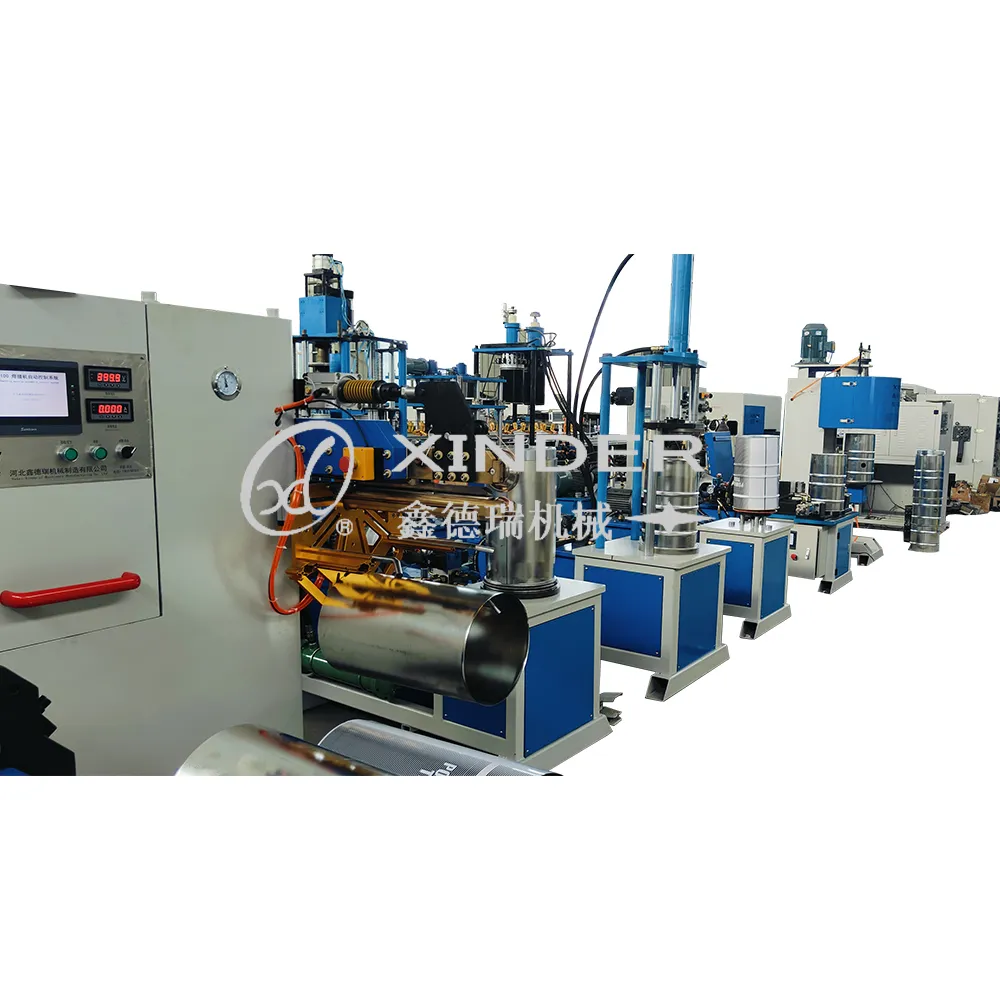
The cost of these systems is influenced by the integration of PLC control systems, the precision of the pneumatic components, and the overall automation level—ranging from semi-automatic stations to fully integrated production lines. As labor costs rise and quality standards for sealed thin-walled containers become more stringent, understanding the value-to-cost ratio of laser equipment becomes a strategic necessity for operational efficiency.
This analysis examines the technical drivers that dictate pricing, the operational impact on metal packaging production, and the framework manufacturers should use to justify the investment in advanced welding technology.
Economic Drivers of Laser Welding Adoption
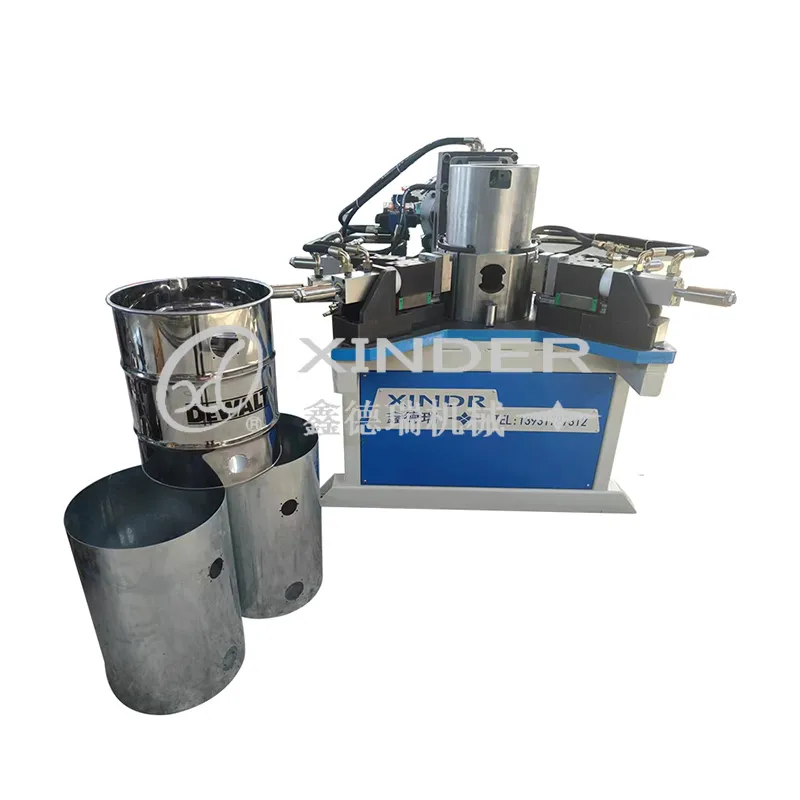
The decision to invest in laser welding over traditional resistance or arc welding is typically driven by the need for higher precision and reduced post-processing. In the production of 10L to 200L barrels, the heat-affected zone (HAZ) must be minimized to prevent material warping and ensure a leak-proof seal, especially for chemical or military-grade containers.
While the initial laser welding machine price is higher than pneumatic spot welding alternatives, the reduction in labor intensity and the increase in production speed create a shorter amortization period. Modern facilities are prioritizing these systems to enable large-scale production without sacrificing the quality of thin-walled metal sheets.
Technical Components Influencing Equipment Cost
The cost of a professional welding system is fundamentally linked to its internal components and the brands used for critical control. High-performance systems often utilize Delta PLC for automatic control, ensuring a stable and repeatable process. The integration of Siemens motors and Delta inverters allows for precise synchronization between the material feed and the laser head, which is critical for seamless joints.
Beyond the laser source, the pneumatic system—often utilizing Yadeke components—plays a vital role in clamping and positioning the metal workpiece. The use of Schneider intermediate relays ensures that the electrical switching is reliable, reducing downtime caused by component failure in high-volume environments. These brand-name components contribute to the equipment's longevity and ease of maintenance.
Finally, the mechanical structure, including the main reduction motor from Taiwan Yongkun, determines the machine's ability to handle various barrel shapes, including round, square, and irregular designs. The synergy between these high-grade electronic and mechanical parts is what justifies the price differential between entry-level machines and industrial-grade production lines.
Precision Seam Welding and Structural Integrity
In metal container manufacturing, the seam is the most vulnerable point of the product. Whether producing a vacuum cleaner housing or a solar water heater tank, the welding process must achieve deep penetration without burning through the material. Laser welding allows for an extremely concentrated energy beam, resulting in a narrow, high-strength weld.
The primary value of laser welding in container production is the elimination of secondary grinding and finishing, which directly reduces the production cycle and improves the aesthetic quality of the packaging.
This technical advantage is particularly evident when welding stainless steel soup barrels or car fuel tanks, where structural integrity and corrosion resistance are paramount. By optimizing the laser parameters, manufacturers can achieve continuous seam welding that is virtually airtight, meeting the strict requirements for chemical and industrial oil drums.
Throughput and Labor Cost Correlation
The transition to fully automatic seam welding machines drastically changes the labor equation. In a traditional setup, multiple operators are required for positioning, welding, and quality inspection. An automated laser line reduces this dependency, allowing a single technician to oversee the production of hundreds of units per hour.
When calculating the total cost of ownership, the laser welding machine price must be weighed against the saved labor costs and the increase in output. The following index illustrates the relative impact of automation on production efficiency versus manual methods.
Figure 2. Production Efficiency Index: Manual vs. Automated Laser Systems
Application Scenarios in Metal Packaging
Laser welding equipment is highly versatile, finding application in the production of diverse metal containers. For instance, in the manufacture of paint buckets and chemical barrels (10L-200L), the technology ensures a seamless finish that prevents leaks of hazardous materials. Similarly, for automotive components like car mufflers and fuel tanks, laser welding provides the necessary strength-to-weight ratio and thermal resistance.
Beyond standard cylinders, these systems are adapted for irregular barrels and specialized housings, such as vacuum cleaner casings and fire extinguisher boxes. The ability to switch between semi-automatic and fully automatic modes allows manufacturers to scale their production based on current order volumes and available capital, making the technology accessible to both medium-sized workshops and large industrial plants.
Evolution of Automated Welding Standards
The industry is moving away from simple pneumatic welding toward integrated "smart" production lines. Modern standards now require real-time monitoring of the welding seam and automatic adjustment of power based on material thickness. This evolution is driven by the demand for "zero-defect" packaging in the pharmaceutical and food-grade stainless steel container sectors.
Furthermore, the integration of specialized equipment, such as metal corrugated elbow production lines and ventilation duct machinery, allows for a more cohesive factory layout. By consolidating different welding processes under a unified control logic, enterprises can reduce floor space requirements and streamline the movement of raw materials.
As we look toward the future, the convergence of laser technology with robotic arms is expected to further lower the laser welding machine price per unit produced, as efficiency gains offset the initial capital investment.
Investment Evaluation Framework
Choosing the right welding system requires a balanced analysis of output needs, material types, and budget constraints. A manufacturer producing simple industrial buckets may find semi-automatic resistance welding sufficient, whereas a producer of military-grade barrels must prioritize the precision of laser equipment.
The decision framework should prioritize the "Cost per Weld" over the "Purchase Price." This involves calculating the electricity consumption, the cost of consumables, the required skill level of the operator, and the percentage of rejected parts.
The table below provides a comparative look at different welding solutions based on typical industrial requirements for metal container manufacturing.
| Technology | Precision Level | Production Speed | Initial Investment |
|---|---|---|---|
| Pneumatic Spot | Low-Medium | Moderate | Low |
| Resistance Seam | Medium | Moderate | Medium |
| Semi-Auto Laser | High | Fast | Medium-High |
| Fully-Auto Laser | Very High | Very Fast | High |
| Robotic Laser | Extreme | Ultra Fast | Very High |
| Manual Arc | Low | Slow | Very Low |
Questions & Answers
The price is primarily determined by the laser source power, the level of automation (semi-automatic vs. fully automatic), and the quality of integrated components. The use of industrial-grade PLC systems from brands like Delta and motors from Siemens increases the cost but ensures higher reliability, precision, and a longer equipment lifespan in large-scale production environments.
Yes, laser welding is suitable for a wide range of metal containers, including round, square, and irregular barrels. It is particularly effective for thin-walled stainless steel, carbon steel, and galvanized sheets used in paint barrels, chemical drums, and automotive fuel tanks, providing a leak-proof seal with minimal thermal distortion.
Automated systems reduce costs by significantly increasing production speed and lowering labor requirements. By automating the seam welding process, companies can reduce the number of manual operators and eliminate the need for extensive post-weld grinding and polishing, which shortens the overall production cycle and reduces waste.
Semi-automatic lines require an operator to load and position the workpiece, making them suitable for lower volumes or highly customized shapes. Fully automatic lines integrate feeding, welding, and ejection, allowing for high-speed, large-scale production with minimal human intervention, which is ideal for standardized industrial drums.
In most high-precision applications, yes. Laser welding provides a much smaller heat-affected zone, which prevents the thin metal from warping. It also produces a cleaner, stronger seam that requires less finishing, although the initial investment is higher than that of resistance welding equipment.
Maintaining quality requires a combination of high-quality components (like Delta PLCs for stability) and regular calibration of the laser focus and power. Implementing a consistent material feed system and ensuring the pneumatic clamping (e.g., Yadeke components) is secure prevents gaps in the seam during high-speed operations.
Final Thoughts
Investing in laser welding technology is a strategic move toward the modernization of metal container production. While the initial capital expenditure is higher, the gains in production speed, structural integrity, and labor efficiency provide a compelling return on investment for manufacturers targeting high-growth markets.
By focusing on the integration of reliable components and selecting the appropriate level of automation, enterprises can optimize their production lines to meet the rigorous demands of the global industrial packaging market.