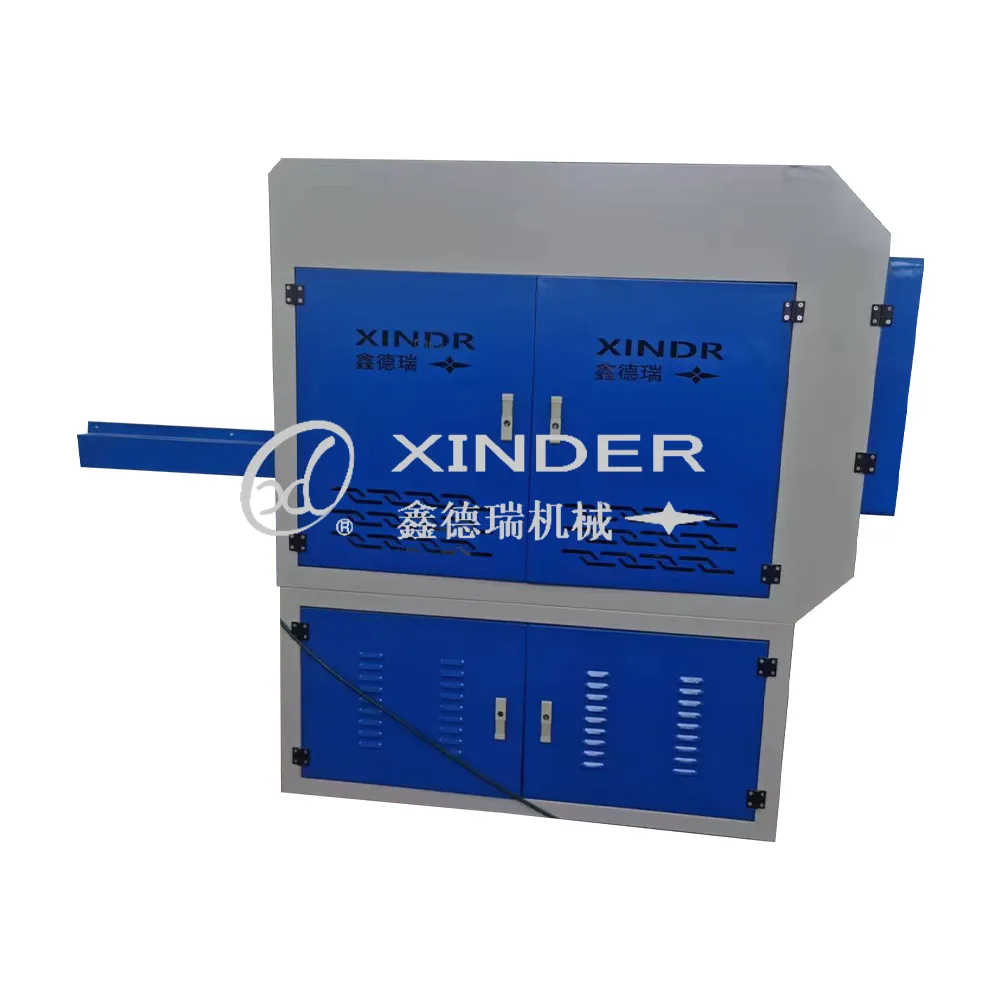
Laser Welding Machine Metal Container Manufacturing Performance Analysis
Metal container manufacturing is facing a critical shift in seam joining technology, moving away from traditional resistance methods toward high-precision optical solutions. For producers of chemical barrels and industrial drums, the ability to maintain weld integrity across varying materials and surface conditions is no longer a luxury but a operational necessity.
The transition to a laser welding machine addresses longstanding bottlenecks in production, specifically the rigid restrictions on material resistivity and diameter positioning that often plague traditional workshops. By utilizing concentrated light energy rather than electrical resistance, manufacturers can significantly reduce scrap rates and expand their product portfolio.
This analysis examines the technical mechanics of automated laser seam welding, evaluating how it optimizes the production of various metal containers and providing a framework for enterprises to decide between traditional and laser-based equipment.
The Shift from Resistance to Laser Joining
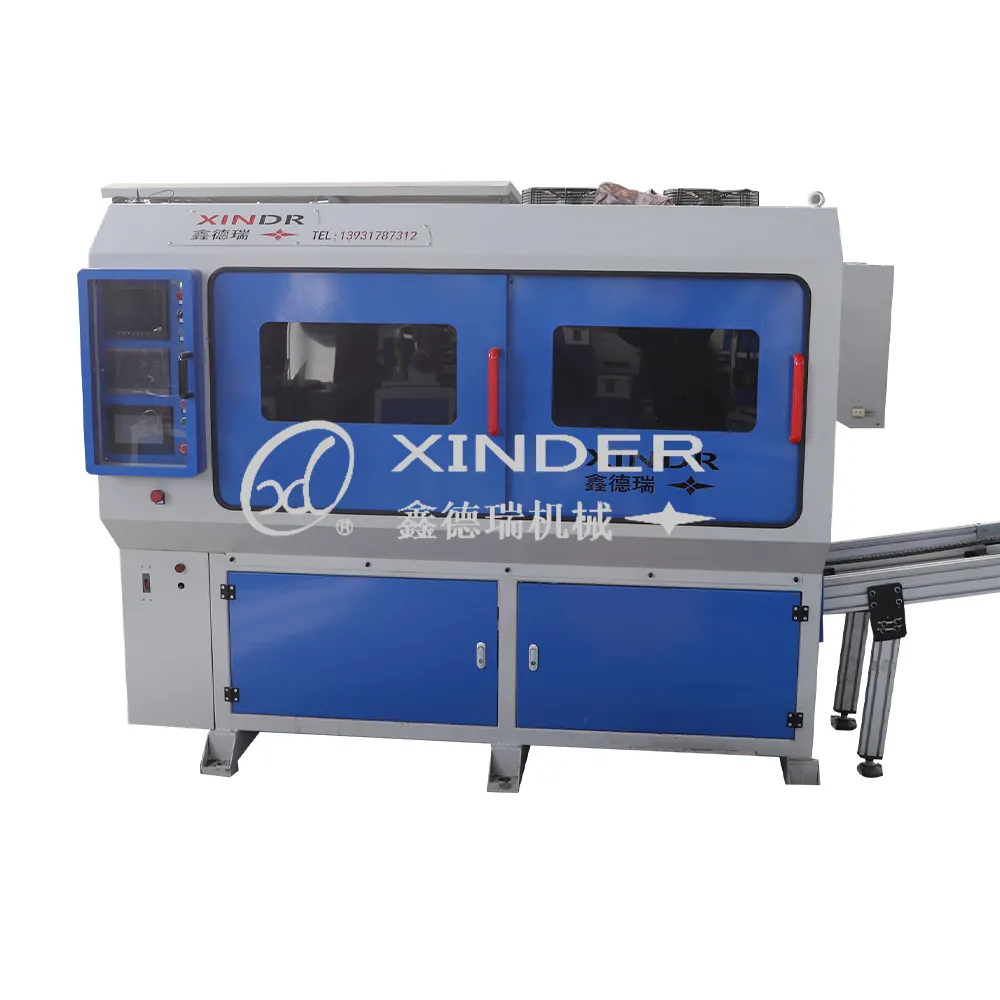
Traditionally, the metal barrel industry relied heavily on resistance welding, which depends on the electrical resistivity of the material to generate heat. While effective for standard carbon steel, this method imposes strict limitations on the surface state of the material and the specific thickness of the plate.
The introduction of the laser welding machine transforms this process into a "butt welding" operation. By focusing a high-energy beam, the equipment removes the dependency on electrical resistance, allowing for the seamless joining of materials that were previously difficult to weld, such as coated plates or low-resistance alloys.
Technical Mechanics of Automated Seam Welding
Modern automated seam welding is driven by a synergy of microcomputer control and servo speed regulation. Unlike manual or semi-automatic systems, these machines utilize a positioning robot to hold the welding edge, ensuring that the two sides of the joint are brought together with mathematical precision regardless of minor cutting errors in the raw steel.
A critical component of the process is the nitrogen protection system. By flooding the weld seam with nitrogen during the laser application, the machine prevents oxidation and ensures a visually aesthetic, high-strength joint. This is particularly vital for stainless steel soup barrels or high-end chemical containers where weld purity is essential for corrosion resistance.
Furthermore, the adjustability of laser power allows the system to handle a wide range of thicknesses, typically between 0.6mm and 1.5mm. Because the heat source is external and concentrated, there is minimal thermal deformation of the surrounding material, maintaining the structural integrity of the drum.
Overcoming Surface and Material Constraints
One of the most significant operational hurdles in barrel manufacturing is surface contamination. Oil stains, dust, rust, and protective films on stainless steel often lead to weld porosity or failure in resistance-based systems.
Laser welding utilizes high-intensity photon energy to penetrate surface impurities, ensuring that galvanized, coated, or printed plates can be joined without prior intensive surface cleaning, which drastically reduces pre-processing time.
This capability extends to material versatility. Since the process does not rely on resistivity, it can weld not only various grades of steel but also low-resistance metals like copper and aluminum. This enables manufacturers to produce specialized containers for the electronics or pharmaceutical industries using the same equipment foundation.
Efficiency Benchmarks in Barrel Manufacturing
Evaluating the efficiency of a production line requires looking beyond simple speed. Factors such as setup time for different diameters, the rate of weld defects, and the level of manual intervention provide a more accurate picture of Total Cost of Ownership (TCO).
In a typical industrial setting, switching between a 10L paint bucket and a 200L oil drum previously required extensive hardware reconfiguration. Automated laser systems simplify this through software-based speed regulation and robotic positioning, allowing for rapid product turnover.
Figure 2. Operational Flexibility Index: Laser vs. Resistance Welding
Application Scenarios for Diversified Containers
The versatility of laser seam welding is best demonstrated in the production of specialized metal housings. For example, vacuum cleaner casings and automotive fuel tanks require airtight seals and high structural strength across irregular shapes. The robotic positioning inherent in the laser welding machine allows for these complex geometries to be handled without the need for custom, expensive jigs for every single product variation.
Moreover, in the chemical and paint industry, the demand for corrosion-resistant barrels means that the weld must be as inert as the base material. The use of laser heat, combined with precise nitrogen shielding, ensures that the chemical composition of the weld pool remains stable, preventing the "weak spots" often found in resistance welding where overheating can alter the material properties.
Future Trends in Metal Packaging Equipment
The trajectory of the metal container industry is moving toward "intelligent customization." Customers are increasingly demanding smaller batches of specialized barrels with unique coatings or materials. This shift makes the flexibility of laser technology an essential competitive advantage, as it reduces the downtime associated with machine re-tooling.
Integration with Industry 4.0 is the next frontier. We are seeing a trend where welding parameters are adjusted in real-time based on sensor feedback from the raw material's thickness and surface quality. This "adaptive welding" ensures a consistent bead quality even when the incoming steel sheets have slight variations in grade or coating thickness.
Sustainability is also driving equipment evolution. Laser systems generally offer better energy efficiency per weld and reduce the need for chemical cleaning agents used to prepare surfaces for resistance welding. This aligns with global mandates to reduce the environmental footprint of industrial manufacturing.
Comparative Selection Framework
Choosing between a laser-based system and a traditional resistance welder depends on the product mix of the enterprise. For a facility producing a single type of carbon steel drum in massive volumes, resistance welding may remain cost-effective due to simpler initial hardware.
However, for enterprises dealing with a variety of diameters, materials (stainless, aluminum, coated steel), and thicknesses, the laser approach eliminates the need for multiple specialized machines. The ability to perform butt welding without diameter-specific positioning wheels represents a fundamental shift in how production lines are designed.
The following framework provides a qualitative assessment of these two technologies based on common industrial requirements for metal container production.
| Evaluation Factor | Resistance Welding | Laser Welding | Industrial Impact |
|---|---|---|---|
| Material Dependency | High (Resistivity based) | Low (Light based) | Expanded material choice |
| Surface Requirement | Clean/Bare Metal | Tolerant (Coated/Oiled) | Reduced pre-processing |
| Positioning Logic | Diameter-dependent | Robot-edge holding | Faster product changeover |
| Thermal Distortion | Moderate to High | Very Low | Better dimensional accuracy |
| Weld Aesthetics | Variable | High (Nitrogen protected) | Premium product finish |
| Complexity of Setup | Manual/Mechanical | Microcomputer/Servo | Lower labor dependency |
Questions & Answers
Resistance welding relies on the electrical resistance of the metal to create heat at the joint, which requires specific material properties and clean surfaces. Laser welding is a butt welding process that uses a concentrated beam of light to melt the edges. This means it does not depend on the electrical properties of the material, allowing it to weld diverse metals including aluminum and copper, and it is far more tolerant of surface impurities like rust or oil.
Yes. Unlike traditional machines that use "waist drum wheel" positioning technology tied to a specific diameter, laser systems utilize positioning robots that hold the welding edge. By adjusting the servo speed and robot coordinates via the microcomputer, the machine can accommodate various diameters without needing physical hardware changes, making it ideal for factories with a diverse product range.
Most industrial steel drums have a thickness between 0.6mm and 1.5mm, with the majority falling between 0.9mm and 1.2mm. Laser welding machines are highly effective in this range because the laser power is adjustable. As long as the power output is sufficient for the material, the system can maintain a consistent weld regardless of small thickness variations.
In resistance welding, coatings act as insulators and can cause weld failure. However, in laser welding, the high energy density penetrates through galvanized layers, printed coatings, or protective films. This ensures a high-quality joint without requiring the manufacturer to strip the coating from the seam area, preserving the aesthetic and protective qualities of the bucket.
Nitrogen protection is used to displace oxygen from the weld zone during the process. This prevents oxidation of the molten metal, which is critical for preventing corrosion in the future. This results in a weld seam that is not only structurally stronger but also more aesthetically pleasing, which is a key requirement for stainless steel and high-end chemical containers.
Absolutely. Because laser welding does not rely on the material's electrical resistivity to generate heat, it can easily process materials that are traditionally difficult for resistance welders, such as aluminum and copper. It even allows for the joining of two different metal materials, provided their melting points and thermal properties are compatible.
Final Thoughts
The integration of laser technology into metal container manufacturing represents a shift toward greater operational resilience and product diversity. By removing the constraints of material resistivity and surface purity, the laser welding machine enables producers to pivot quickly between different container specifications without sacrificing weld integrity or increasing manual labor.
For enterprises aiming to modernize their production lines, the transition to automated laser systems is a strategic move toward reducing scrap and enhancing the quality of high-value products like chemical and pharmaceutical drums. As the industry trends toward smarter, more flexible manufacturing, the ability to weld any material, thickness, or diameter on a single platform becomes the primary benchmark for success.