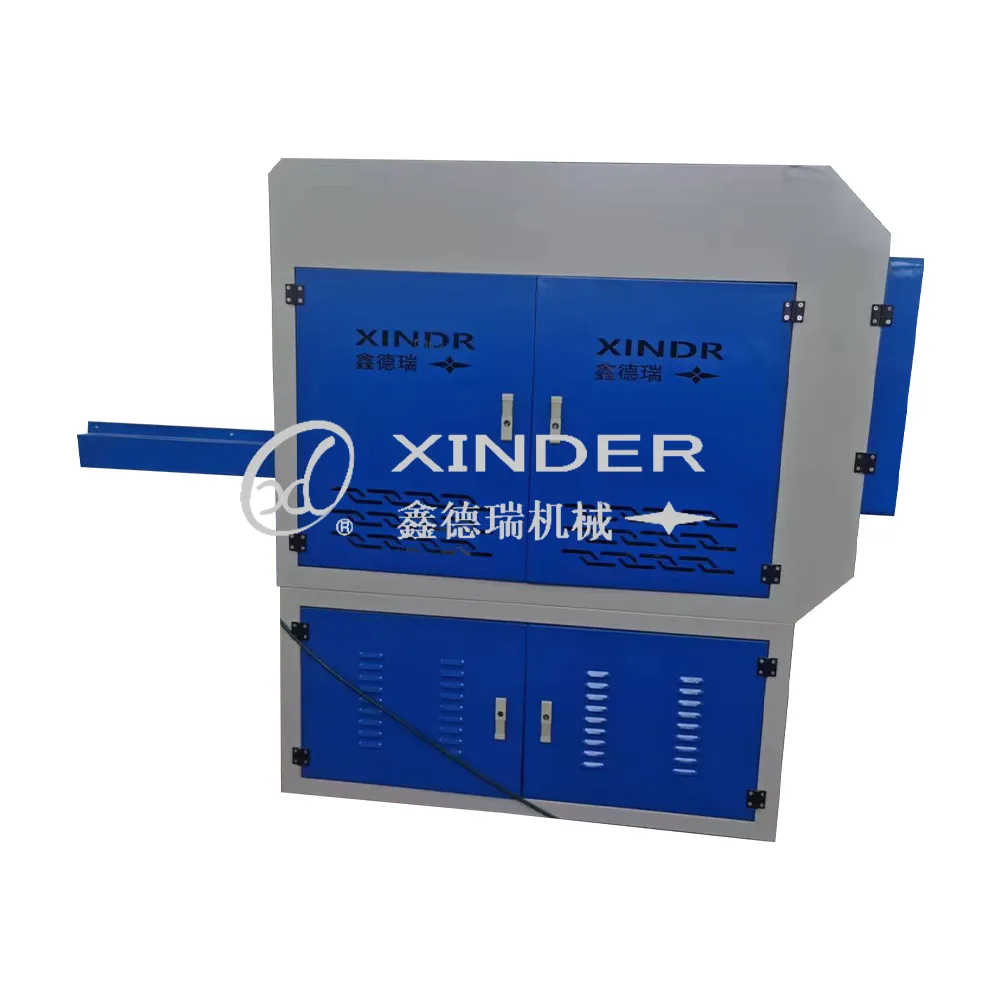
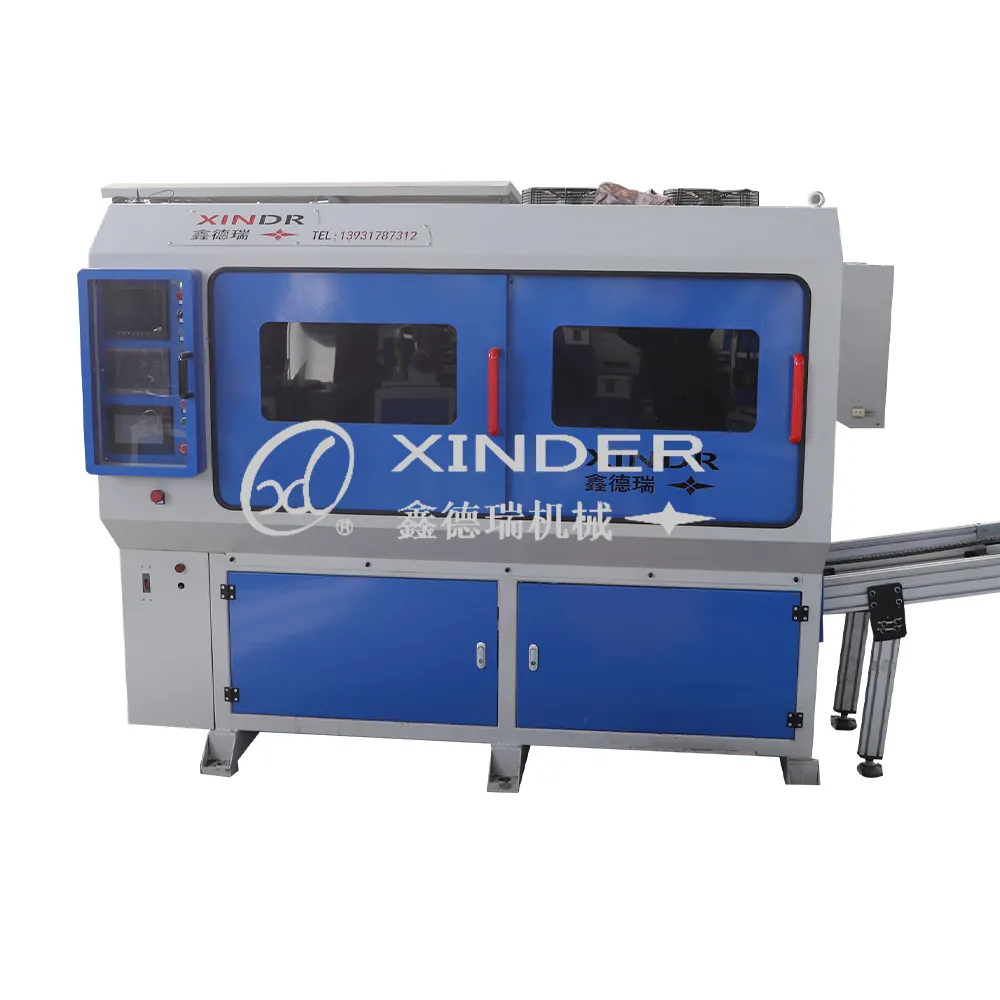
FNB-70200 is a 380V ± 5% 50/60Hz power supply machine for tank bodies with diameters of Φ250–Φ500 mm and heights of 300–1000 mm, with a 63–150 kVA capacity and production rate of 6–10 pieces/min. It supports can body materials including galvanized sheet, laminated sheet, printed iron sheet, and stainless steel sheet (0.25–0.6 mm), using copper wire diameter Φ1.8–2.2 mm, and requires cooling water at 20°C with a 7 L/min flow rate and compressed air pressure of 0.4–0.5 MPa. Electrical and mechanic
Equipment Usage
The fully automatic laser seam welding machine is suitable for welding various types of barrels used in the metal barrel industry, including chemical barrels, paint barrels, stainless steel soup barrels, and more. This laser welding machine differs from resistance welding machines because it uses butt welding. Butt welding requires certain limitations related to the material surface condition, barrel diameter, material thickness, and the material type. For laser welding machines, these limitations are not a concern, allowing reliable welding regardless of the above conditions. For barrel manufacturers producing a wide range of steel barrel products, this is a major advantage.
Advantage
1. User-friendly and efficient operation.
2. No manual labor required. The entire system is controlled by a microcomputer with servo speed regulation, ensuring stable and reliable performance.
3. During welding, the workpiece holding and nitrogen shielding of the weld seam provide a neat and aesthetically pleasing result.
4. The laser welding machine can weld steel drums with any surface condition.
Laser welding machines use butt welding. Surface conditions of steel plates—such as galvanized sheets, coated sheets, printed sheets, or stainless steel sheets with protective film—as well as common surface contamination on steel drums (including rust, oil stains, dust, and other impurities) do not affect the butt-weld joint. Because the process relies on laser heat rather than resistance heat, welding quality is not impacted by the condition of the welding surface.
5. The laser welding machine can weld steel drums of any diameter.
As butt welding does not require waist drum wheel positioning technology, the positioning robot simply holds the welding edge of the steel drum and brings both edges together. Therefore, even when the cutting dimension error is large, welding quality is not affected because the process does not depend on diameter positioning.
With straightforward speed regulation, the laser welding machine can therefore be used to weld steel drums of different diameters—an excellent solution for bucket and drum manufacturers with a diverse product range.
6. The laser welding machine can weld steel drums of any thickness.
For steel drum applications, typical drum thickness is within 0.6–1.5 mm, with most drums commonly in the 0.9–1.2 mm range (reference/typical values). With a laser welding power output that is sufficient (typically adjustable), the process is not sensitive to changes in steel plate thickness. In practice, even thicker steel drums can be welded.
7. The laser welding machine can weld steel drums made from any material.
Because laser welding is not dependent on the material’s resistivity, steel drum materials can be welded without concern for differences in electrical resistance. In addition to steel, it can also weld low-resistivity materials such as copper and aluminum, which are difficult or impractical for resistance welding. Laser welding machines are truly versatile. Furthermore, it is also possible to weld different metal materials together.